10 Ways a Construction Camera Saves You Money
A practical look at how a construction timelapse camera reduces costs on site: fewer trips, clearer proof of work, faster dispute resolution, and tighter project control.
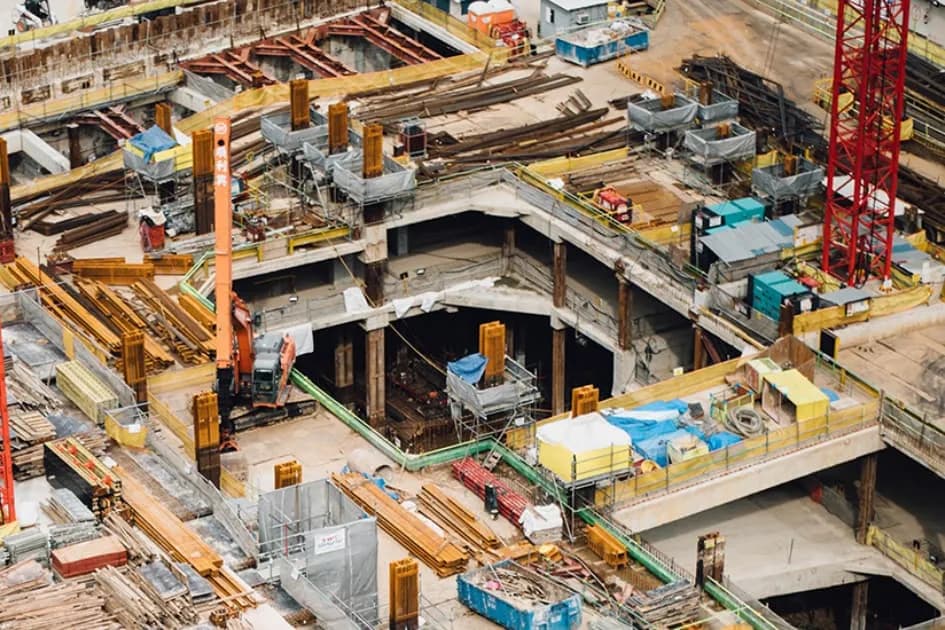
Margins in construction are tight, and they get tighter with rising material costs and labor that is harder to find. Every missed detail, every disputed variation, and every avoidable site visit chips away at profit. A good construction camera does not make those pressures disappear, but it gives you a continuous, timestamped record of your site that quietly saves money in ten distinct ways.
Here is where a fixed timelapse camera earns its place on site.
1. Fewer trips to the jobsite
You still need to walk the site, and a camera does not change that. What it changes is the number of unplanned trips driven by uncertainty. When you can check the current view from your desk or phone, you stop driving out to answer questions a single image would settle. Across a portfolio of projects, the time and travel you save adds up.
2. Clear proof of work
Inspections get missed. Sequencing gets questioned. When you have a dated image of the work as it was built, you can show that a water line went in below the frost line or that a wall was closed up correctly, without opening it back up. A photographic record turns a costly rework argument into a two-minute check.
3. Lower risk on the day-to-day
Most problems on site are cheaper to fix early. A camera lets you notice when the wrong aggregate has been delivered or a milestone is slipping, while there is still time to act. Getting ahead of issues protects your program and keeps your margin where it should be.
4. Fewer disputes, less time in front of lawyers
Nobody wants a dispute to end up in arbitration, let alone court. Good documentation is one of the simplest ways to avoid that path altogether. A timestamped image archive keeps the record straight for everyone, and when a claim does arise, the photographs tend to settle it faster than memory or paperwork.
5. Tighter operational control
A site running well is a site hitting its program, with subcontractors doing what they committed to and milestones landing on time. A camera helps you keep tabs on completion, hold trades accountable, and spot slippage early. The sooner you can close out, the less a project drains in overheads.
6. Better communication with the team
A single image often replaces a long explanation. Instead of describing a detail over the phone, your site team sends a photo and everyone is looking at the same thing. That clarity saves time in meetings and cuts the back-and-forth that slows decisions down.
7. Smoother progress payments
Construction draws depend on lenders and developers being satisfied that progress matches the payment request. A clear visual record helps you demonstrate exactly where the project stands, which reduces the delays that hold up payment and keep subcontractors waiting. Trust, backed by evidence, keeps cash moving.
8. A practical response to the labor shortage
Skilled labor is hard to find, and that is not changing soon. Remote visibility lets a project manager oversee more sites without being physically present at each one. When you can manage more work with the people you have, you get more from a stretched team.
9. Honest subcontractor management
Time on site is one of the details that is easy to dispute and hard to verify after the fact. A dated visual record gives you an objective reference for who was on site and when. It is not about catching people out. It is about keeping the record accurate so everyone is working from the same facts.
10. Punctual project closeout
Closeout is one of the hardest parts of delivering on time. The end of a project is where the vague recollections pile up and the program drifts. A complete record from day one to handover gives you the evidence to close out cleanly and avoid the drawn-out finish that bleeds cost.
The through line
Every one of these comes back to the same idea: a continuous, dated record removes uncertainty, and uncertainty is expensive. Fewer wasted trips, fewer disputes, faster payments, and cleaner closeouts each protect a bit of margin, and together they change how a project runs.
If you want to understand what a system costs to put on site, refer to our pricing page for a full breakdown of our pricing. If you are still weighing up hardware, our guide to choosing the best construction timelapse camera is a good next read.